Project details
RoboticsRoboticsMarine RoboticsComputer Vision

Carpathia

An automated vessel hull polishing robot designed for repeatable workflows and consistent finishing quality. This project is co-financed through the European Union’s NextGenerationEU framework and supported through HAMAG-BICRO under Grant Agreement No. NPOO.C1.1.2.R2-I4.01.0108, titled Carpathia – robot za poliranje brodova. This support plays an important role in enabling the continued development of the platform and the next stages of product and technical advancement.

Carpathia

Overview

How the project was structured.

Problem

Hull polishing and sanding are physically demanding, time-sensitive, and increasingly difficult to staff at scale. In marinas and maintenance environments, the work still depends heavily on manual labor, operator consistency, and narrow service windows during the season. At the same time, demand remains high, especially in strong charter and leisure vessel markets where many boats require finishing, restoration, and regular surface maintenance in a limited period of time.

The process also creates a difficult working environment. Dust, polishing compounds, surface residue, and repetitive physical effort make the job less attractive and harder to sustain with a reliable workforce. As a result, operators face variability in finishing quality, slower turnaround, and growing pressure to deliver consistent results with fewer available people.
Approach

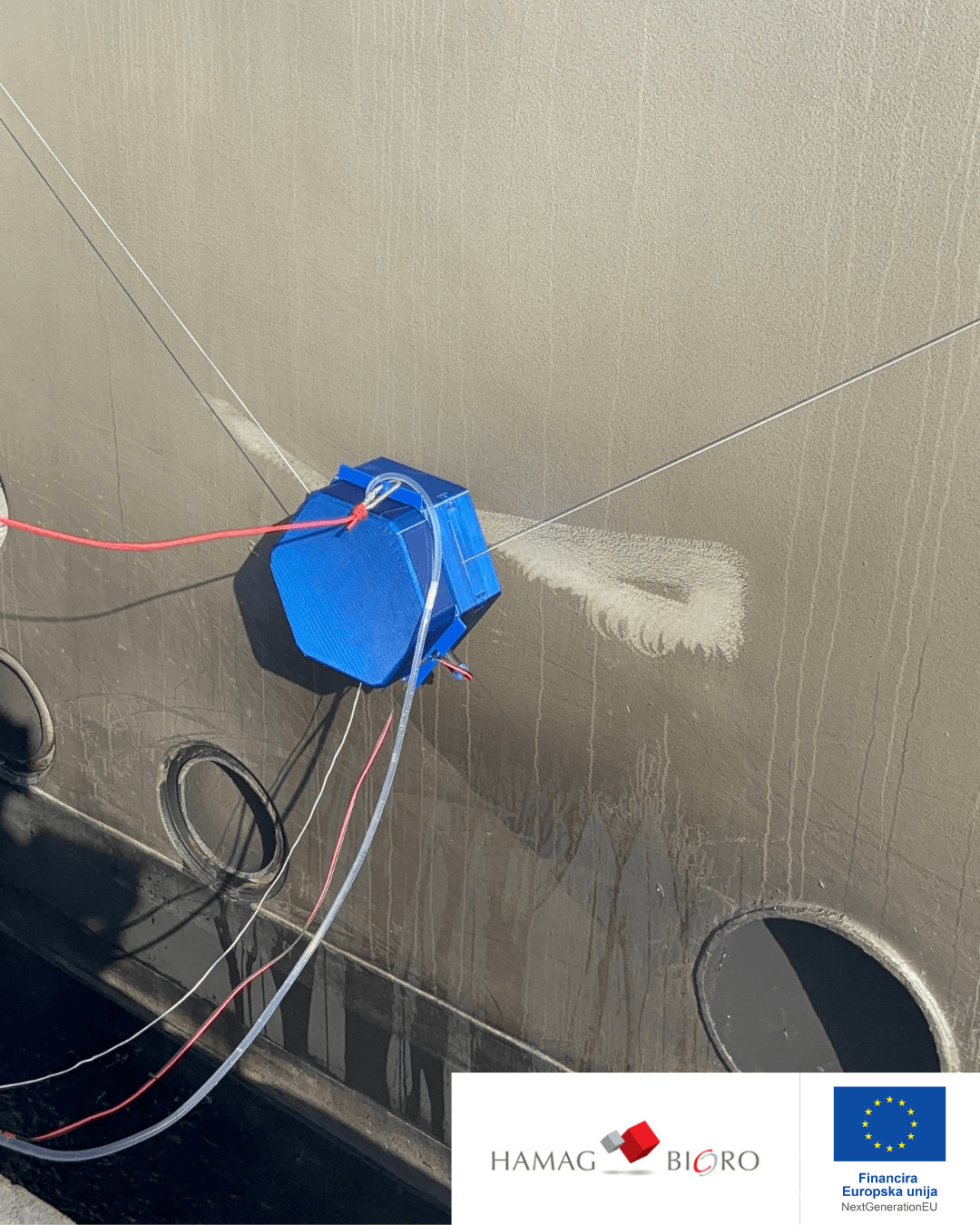
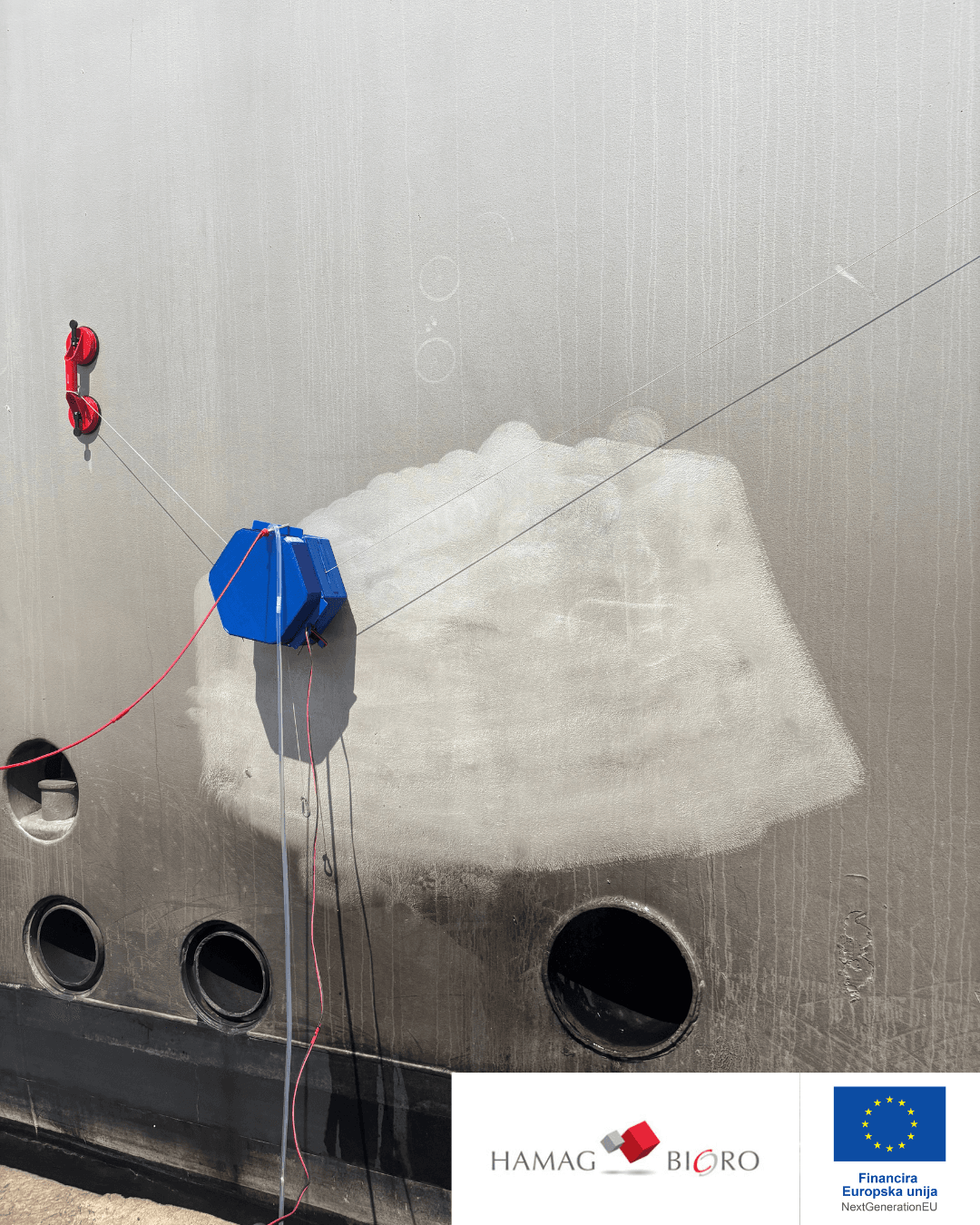
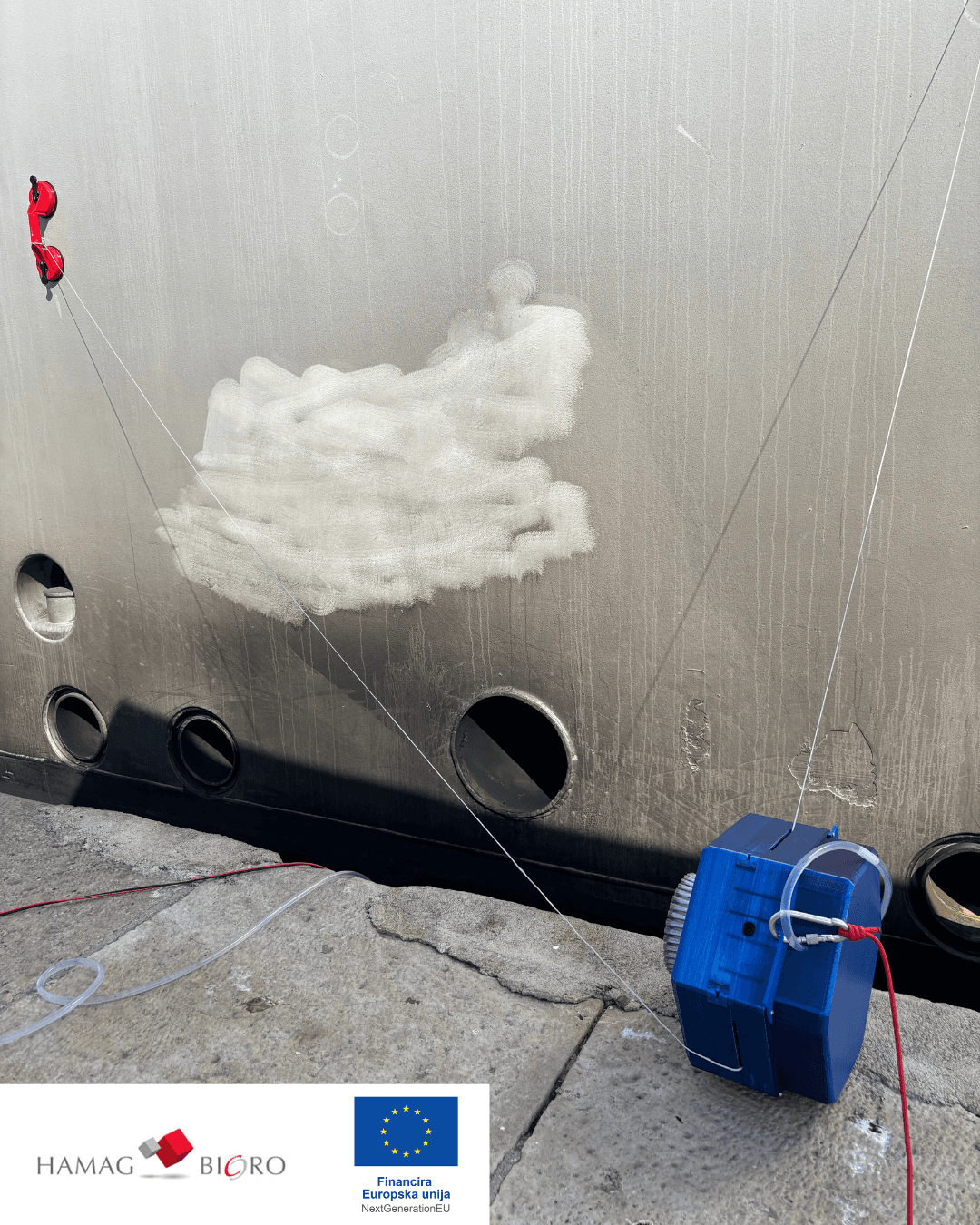
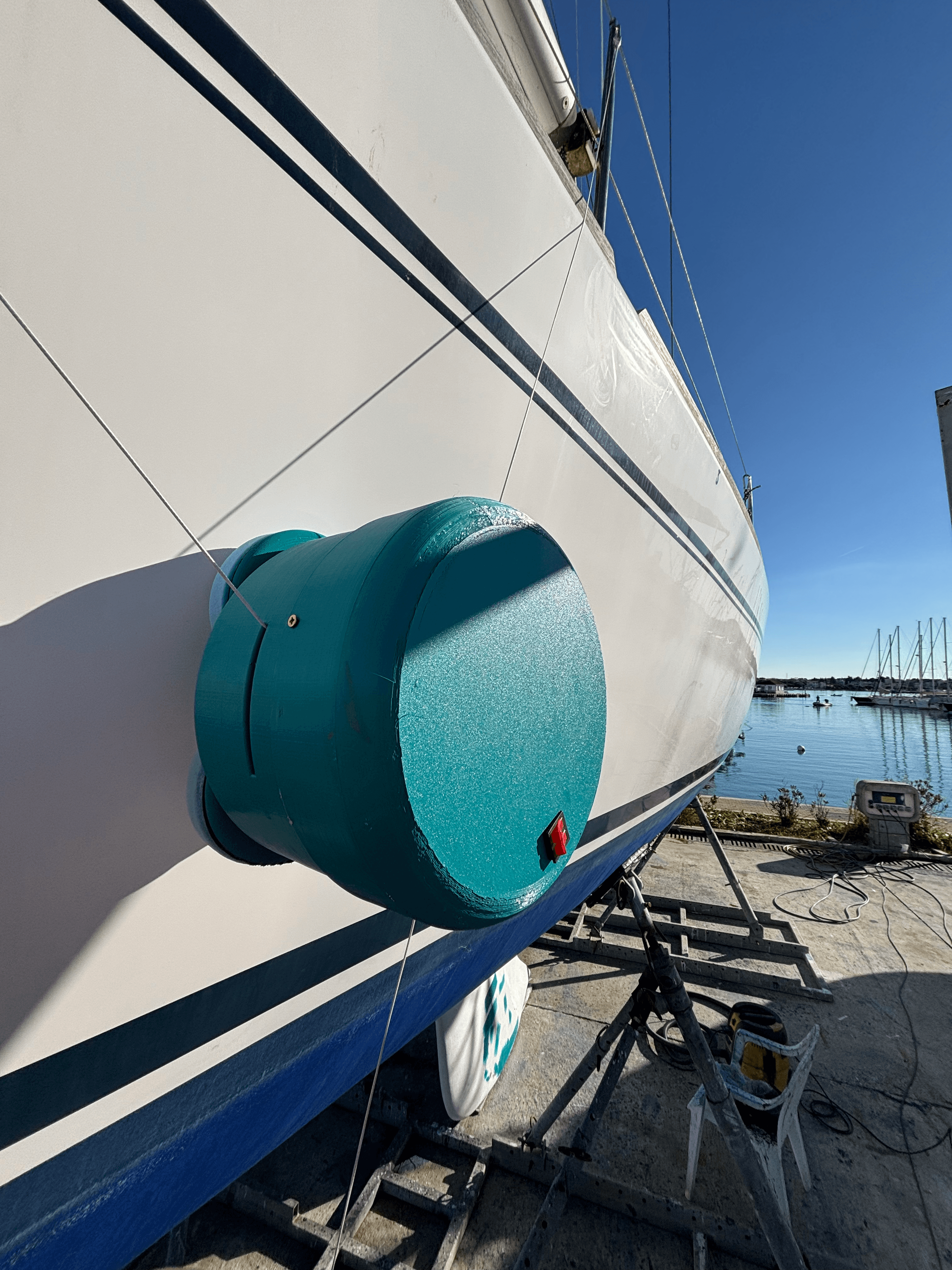
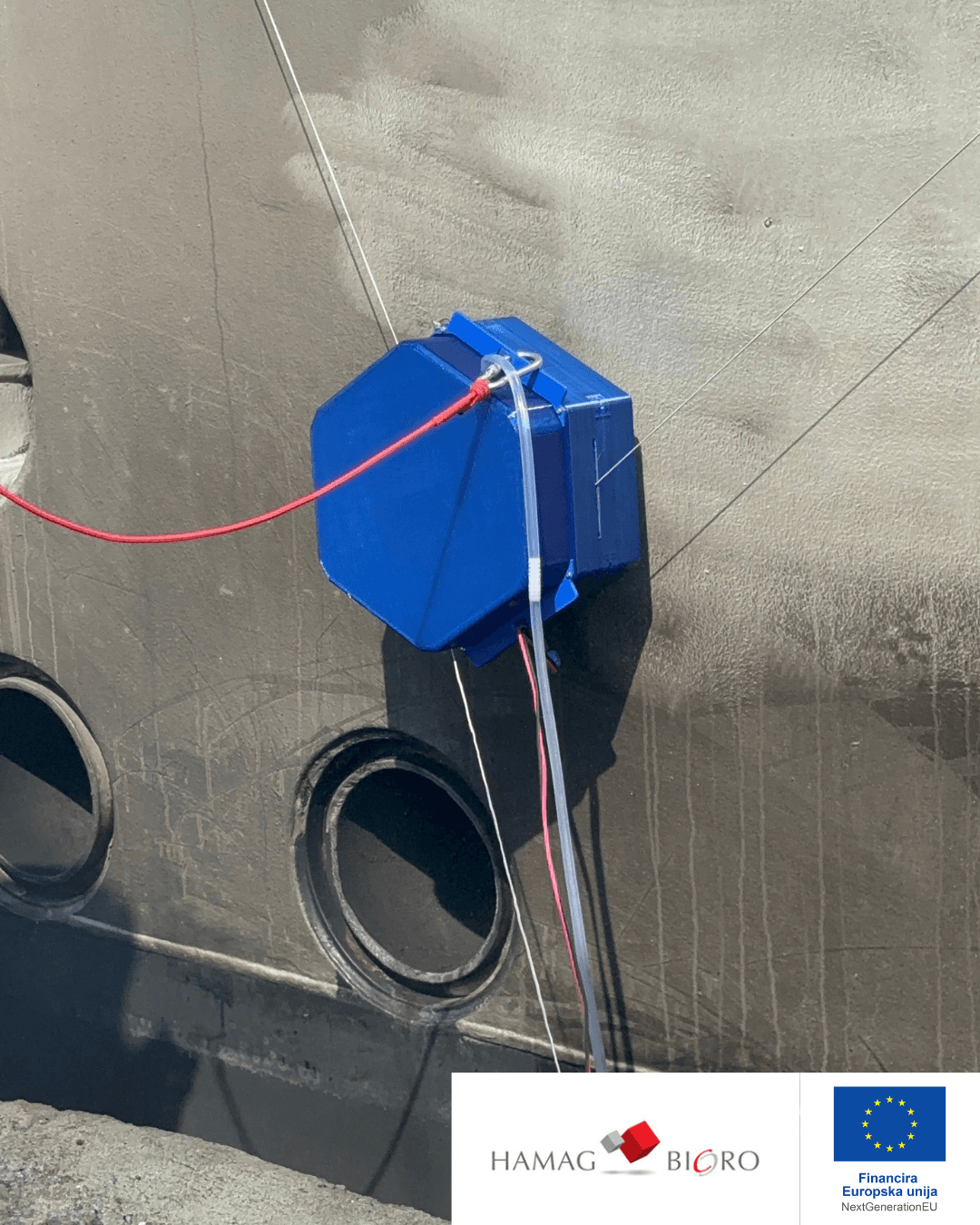
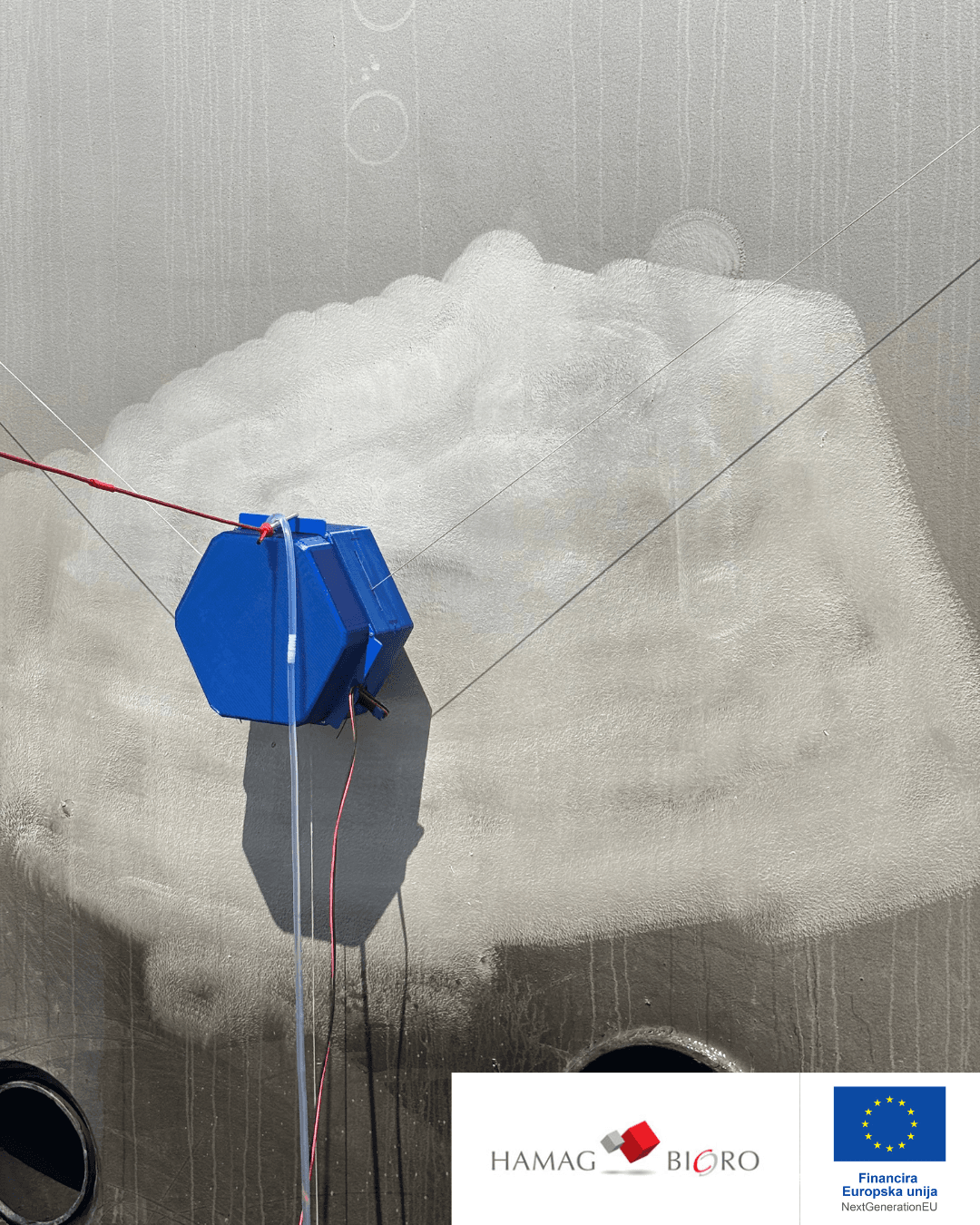
Carpathia was designed as a practical robotic platform for vessel hull polishing and sanding, built around repeatability, mobility, and real deployment in marine maintenance conditions. Instead of relying on large fixed infrastructure, the system uses a lightweight three-rope concept that allows the robot to be positioned, secured, and operated directly on the vessel with minimal setup effort. The idea is simple: attach the system, deploy it where needed, and let the robot perform the task with controlled and structured movement.

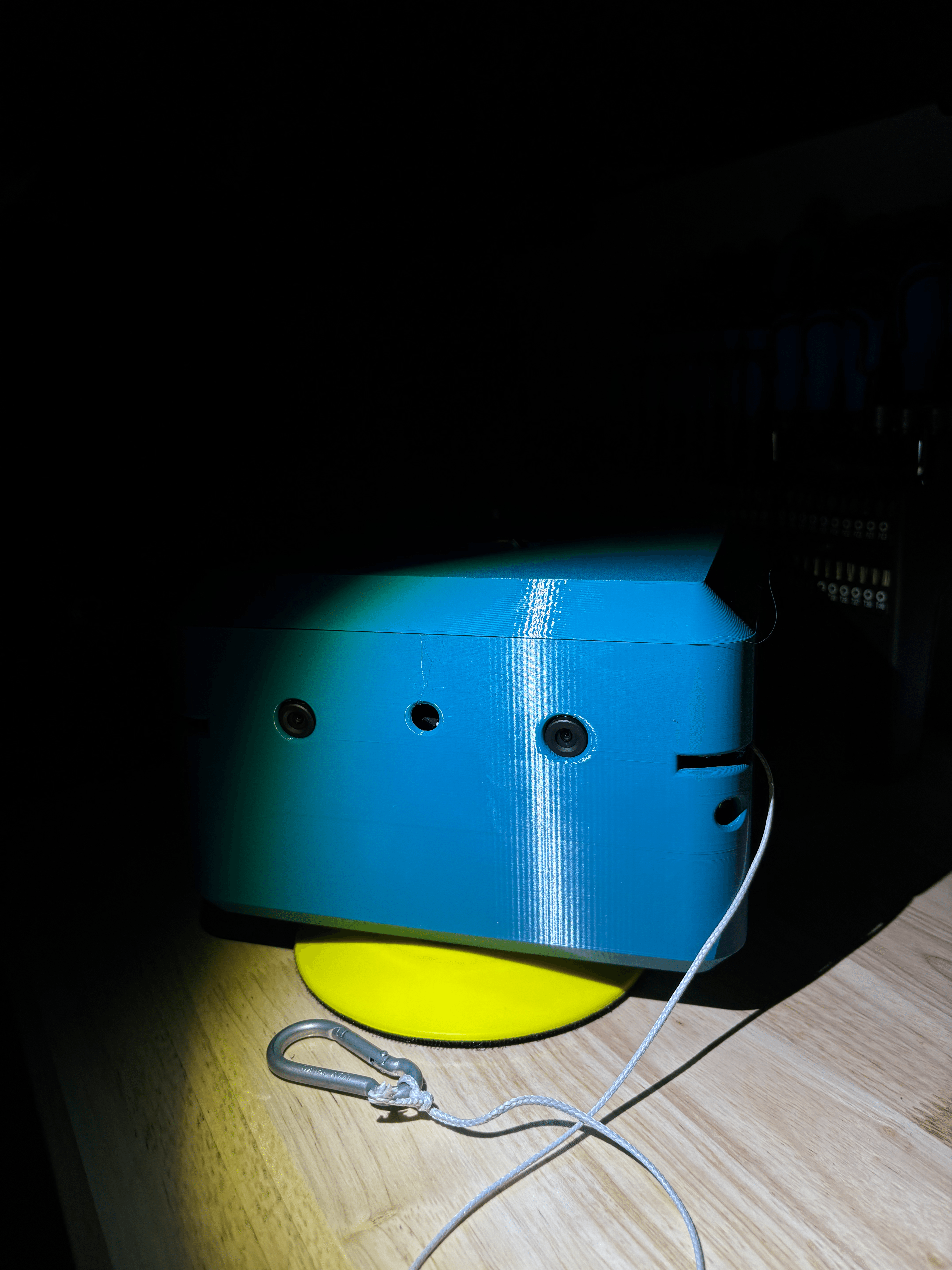
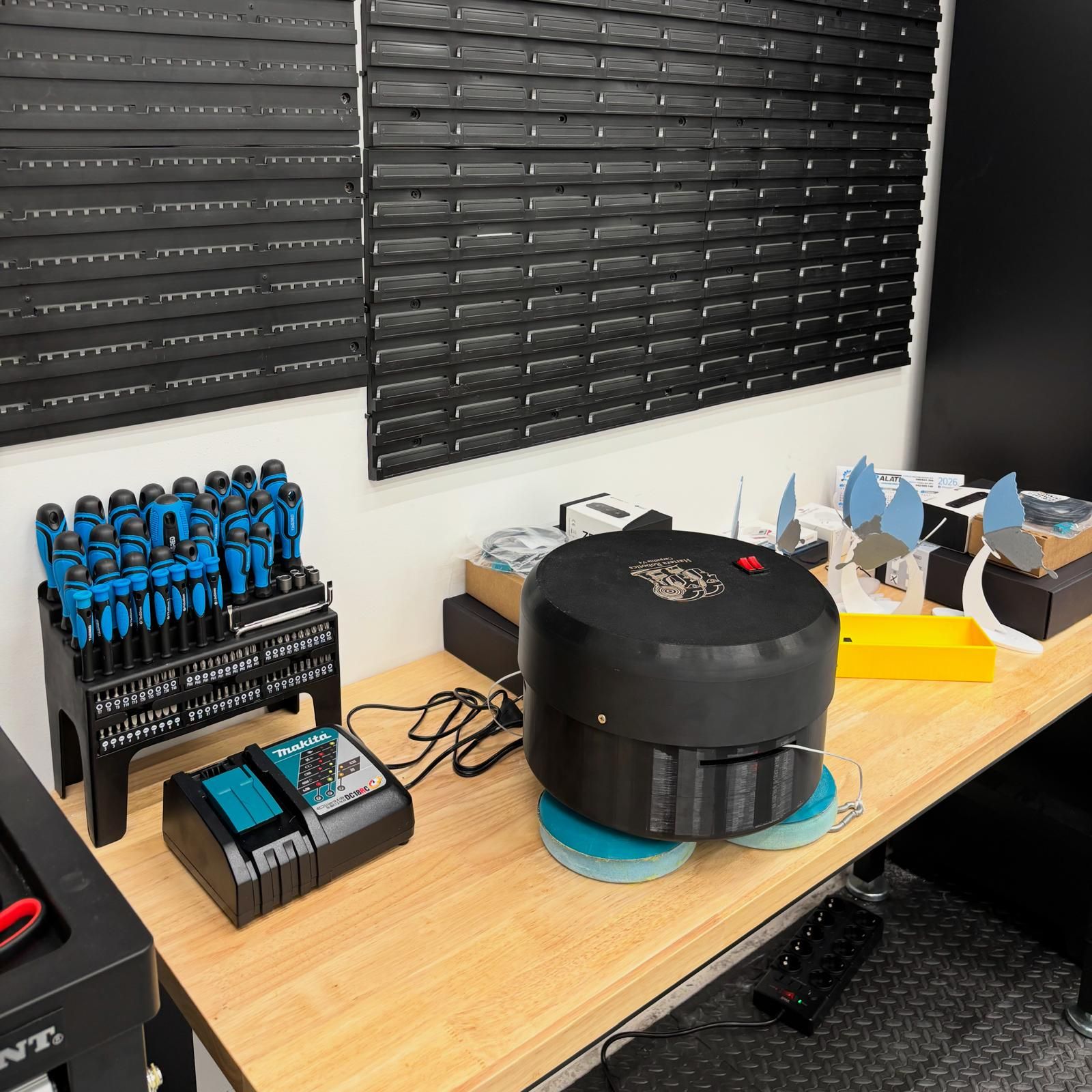
The platform combines mechanics, embedded electronics, motion control, software integration, and system-level engineering into one robust solution. Its architecture was developed with real operational constraints in mind: portability, adaptability to different working environments, reliable movement across hull surfaces, and the ability to support future upgrades in autonomy, monitoring, and workflow automation.

Solution

Carpathia introduces a more structured and repeatable approach to hull surface treatment by automating polishing and sanding tasks through a mobile rope-based robotic system. The goal is not only to reduce manual workload, but also to improve finishing consistency, simplify deployment, and make the overall maintenance process cleaner, more scalable, and easier to manage.

By combining robust mechanics, practical mounting logic, embedded control, and software-driven operation, Carpathia helps transform a traditionally labor-intensive process into a more modern engineering workflow. It reduces dependence on constant manual effort, supports more predictable surface treatment quality, and creates a foundation for smarter marine maintenance operations in the future.

Impact

Project outcomes.

Consistent finishing quality

Repeatable workflow

Reduced manual effort

Built for real-world marine maintenance conditions

Technology tags

RoboticsMarine RoboticsComputer Vision

Gallery

Additional project visuals.

Need a similar workflow?

We build robust robotics, vision and automation systems for real operations.